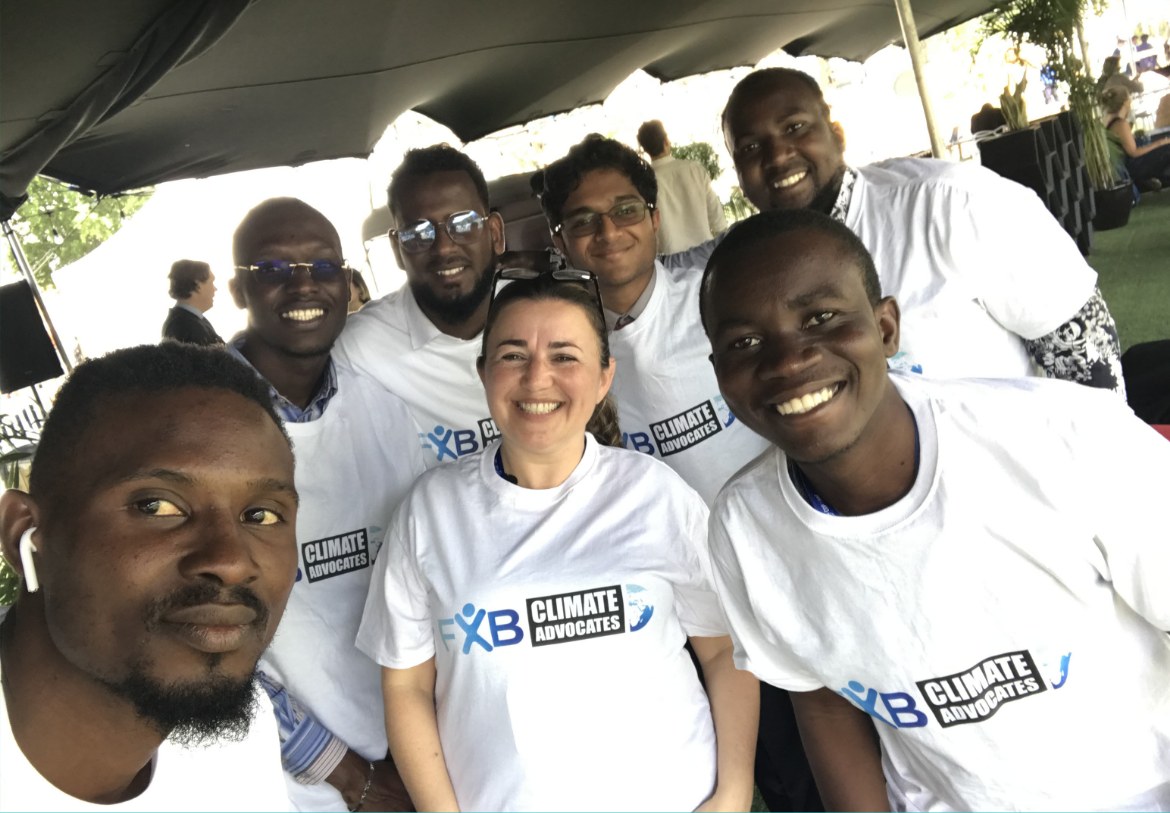
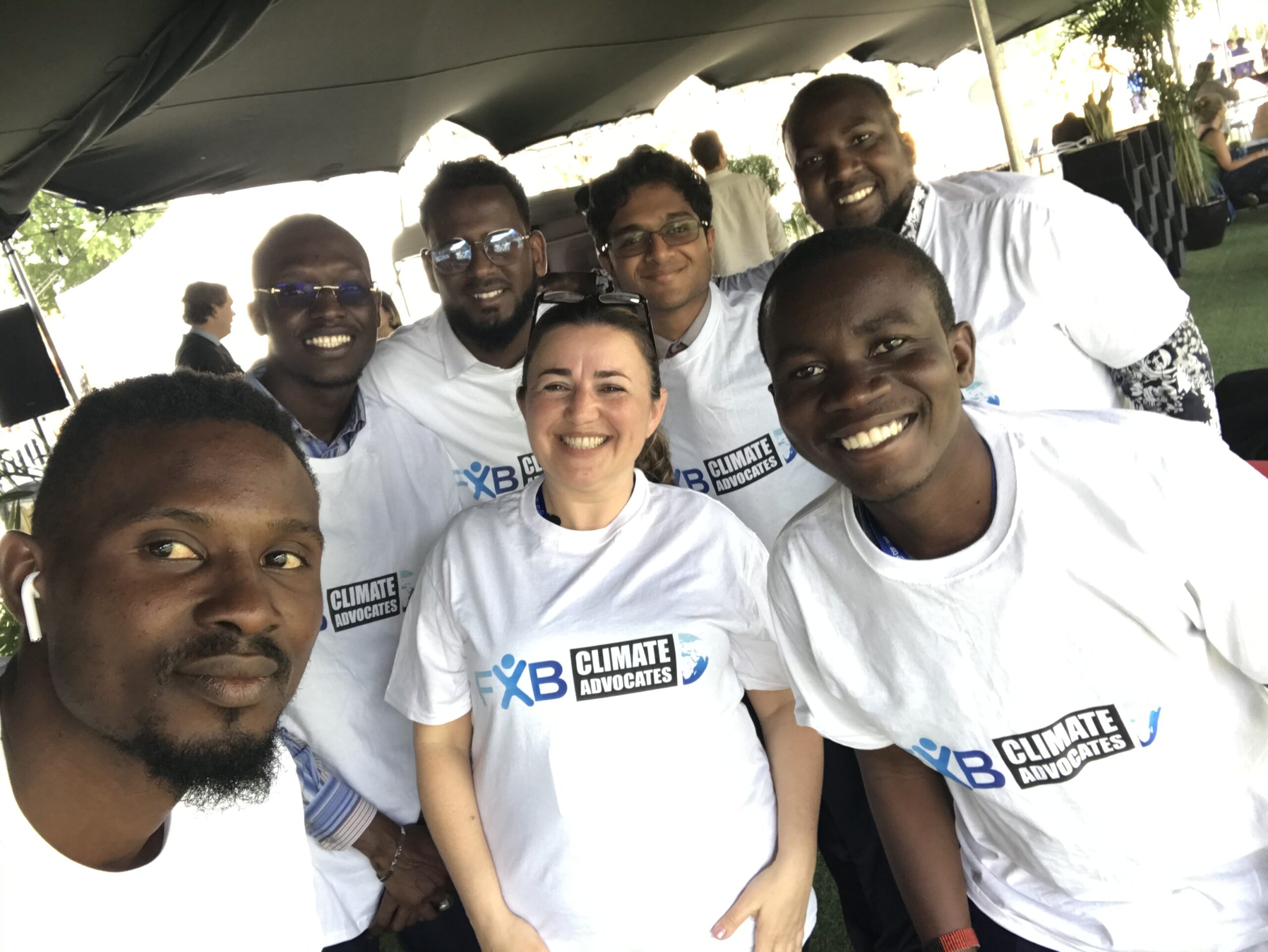
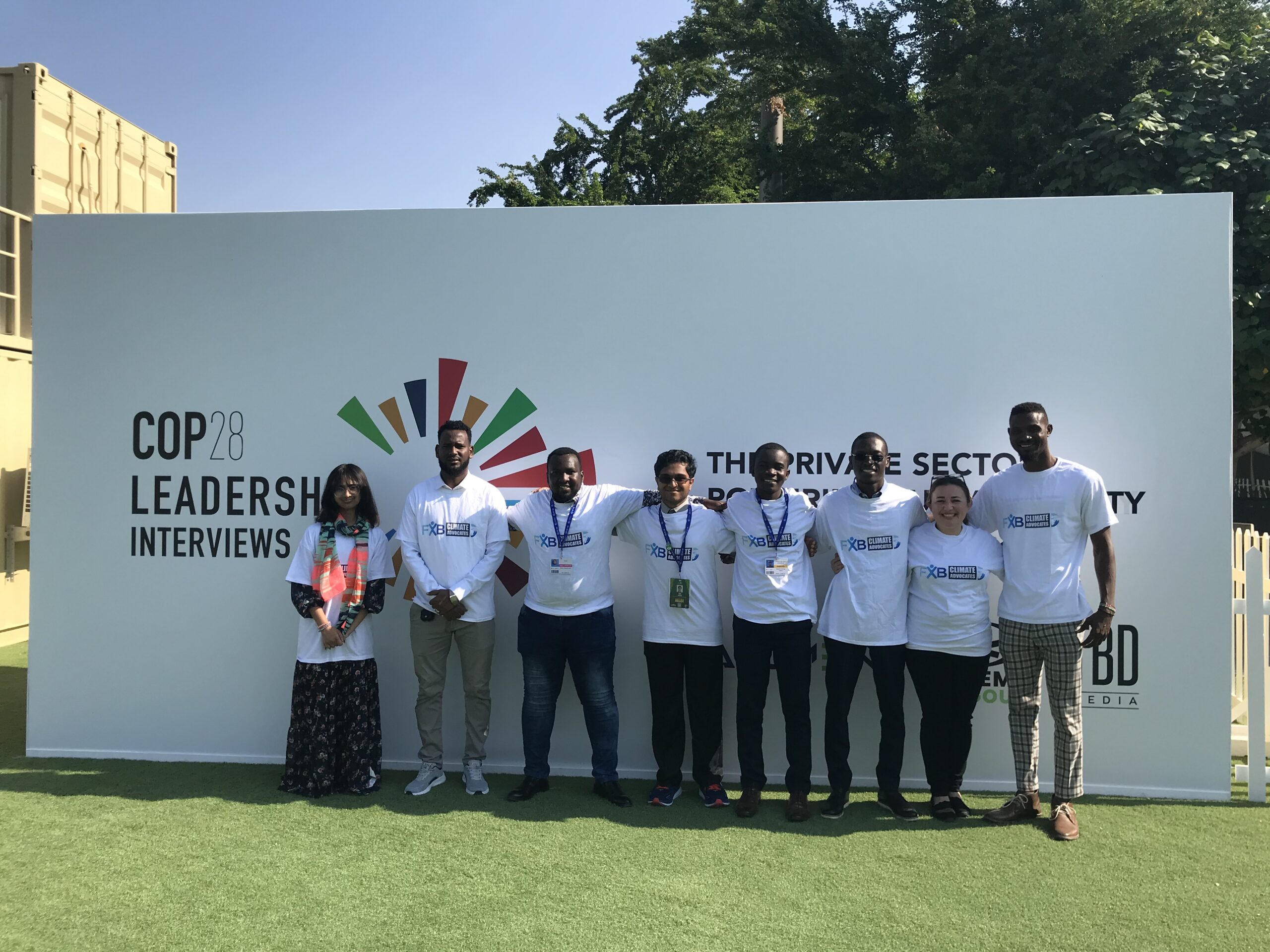
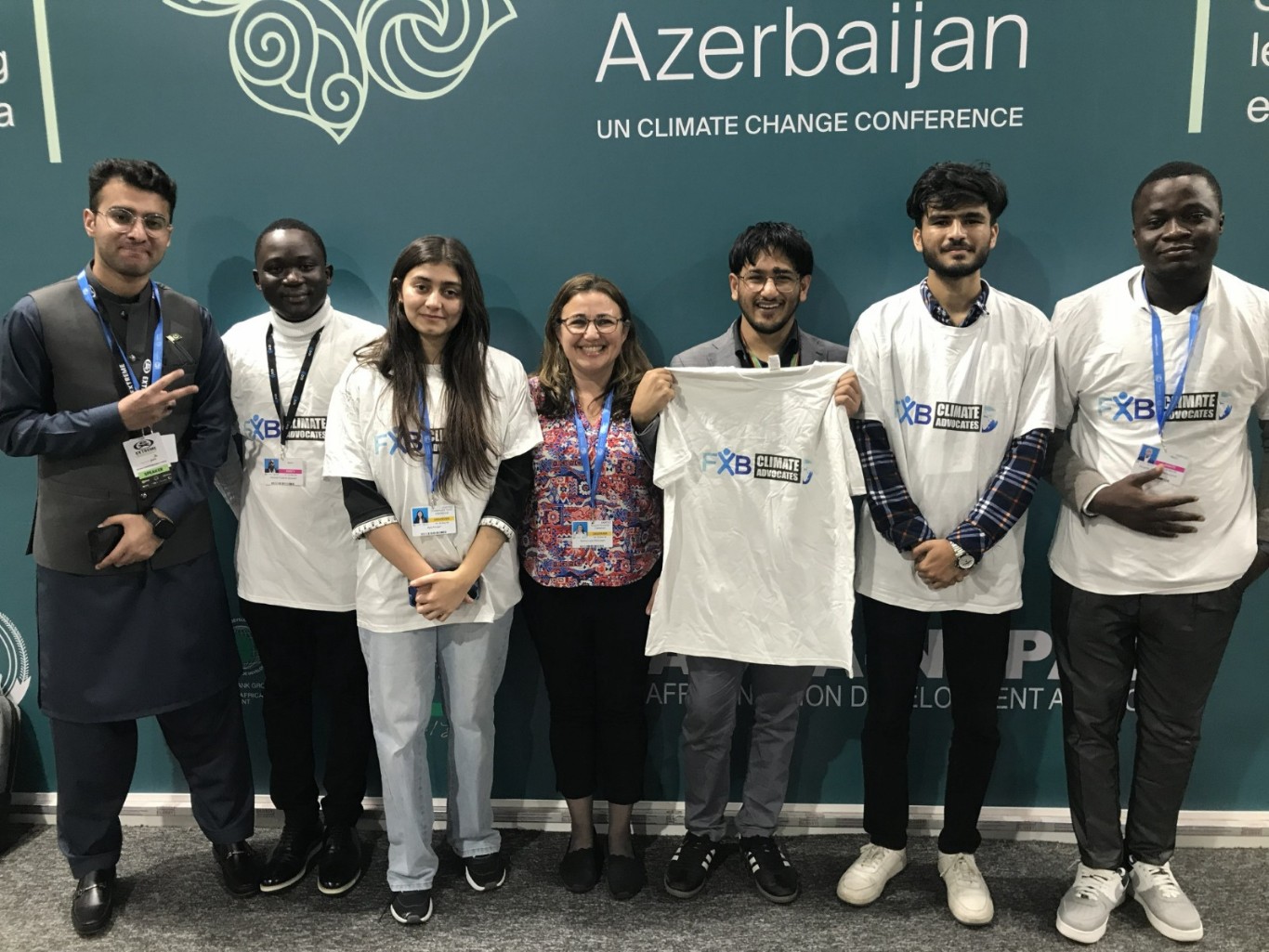
Climate Advocates — COP29 Bakou
FXB Climate Advocates

FXB Climate Advocates

The FXB Climate Advocates (FXBCA) program provides young people from around the world with the knowledge, skills and leadership experience they need to make a real impact in their communities.

FXB is part of FXB's mission to support children and young people, break the cycles of extreme poverty and build resilient communities. FXBCA strengthens the capacity of young people to become actors of change, both locally and globally.

Programme presentation

FXB Climate Advocates is an international leadership program, currently offered in English, French and Spanish, which gives young people the knowledge, skills and confidence to take concrete action to address climate change.

Bringing together participants from more than 120 countries, the programme combines virtual training sessions led by experts on climate science, solutions and climate advocacy, and the design and implementation of projects led by participants in their communities.

By transforming learning into action, FXBCA supports the new generation of climate leaders so that it can create sustainable change in its own communities.

From learning to leadership

APPEAR

Develop strong climate science knowledge and deepen your understanding of adaptation, mitigation and climate change solutions.

TRADE

Young people join a global community of advocacy, solidarity, action and friendship.

Discover our international community

TAKE ACTION

Each participant develops and implements a project with a concrete impact in their community.

Tell me more

ENGAGER

Participants acquire the knowledge, skills and confidence to become climate leaders in their communities.

Expert-led learning

Take part in virtual climate training sessions and learn from experts from FXB Center for Health and Human Rights Harvard University, Red Cross and Red Crescent Climate Centre, of Project Drawdown, Citizens & Climate Lobbyand many other organizations.

Our Impact

Overall impact

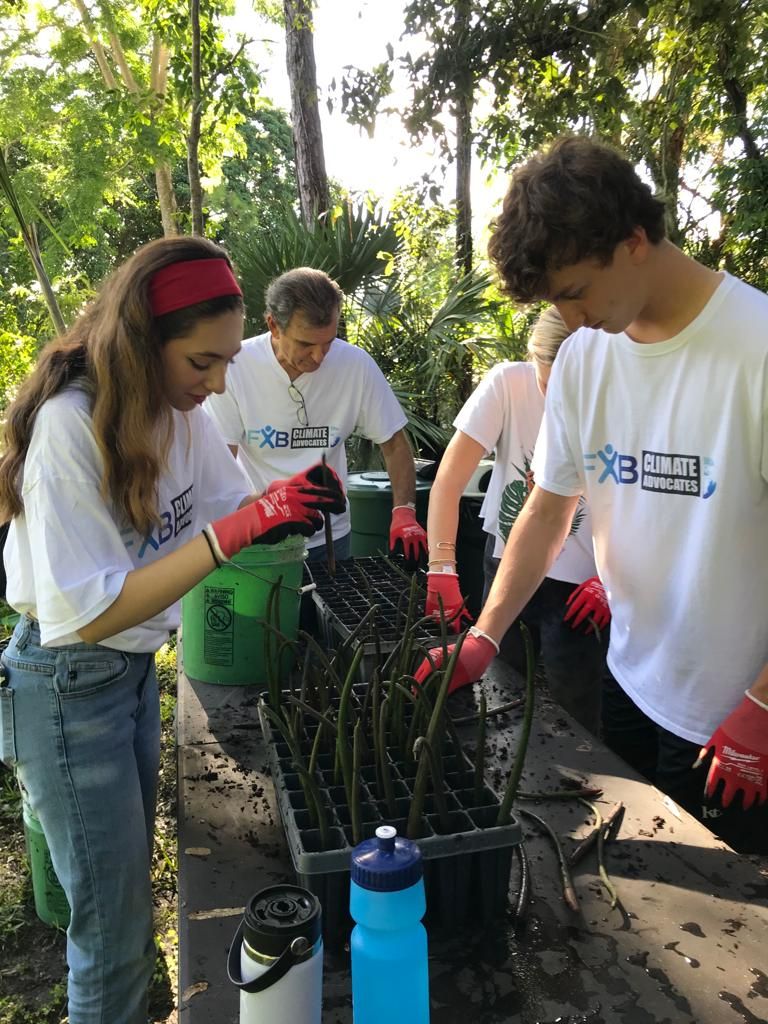
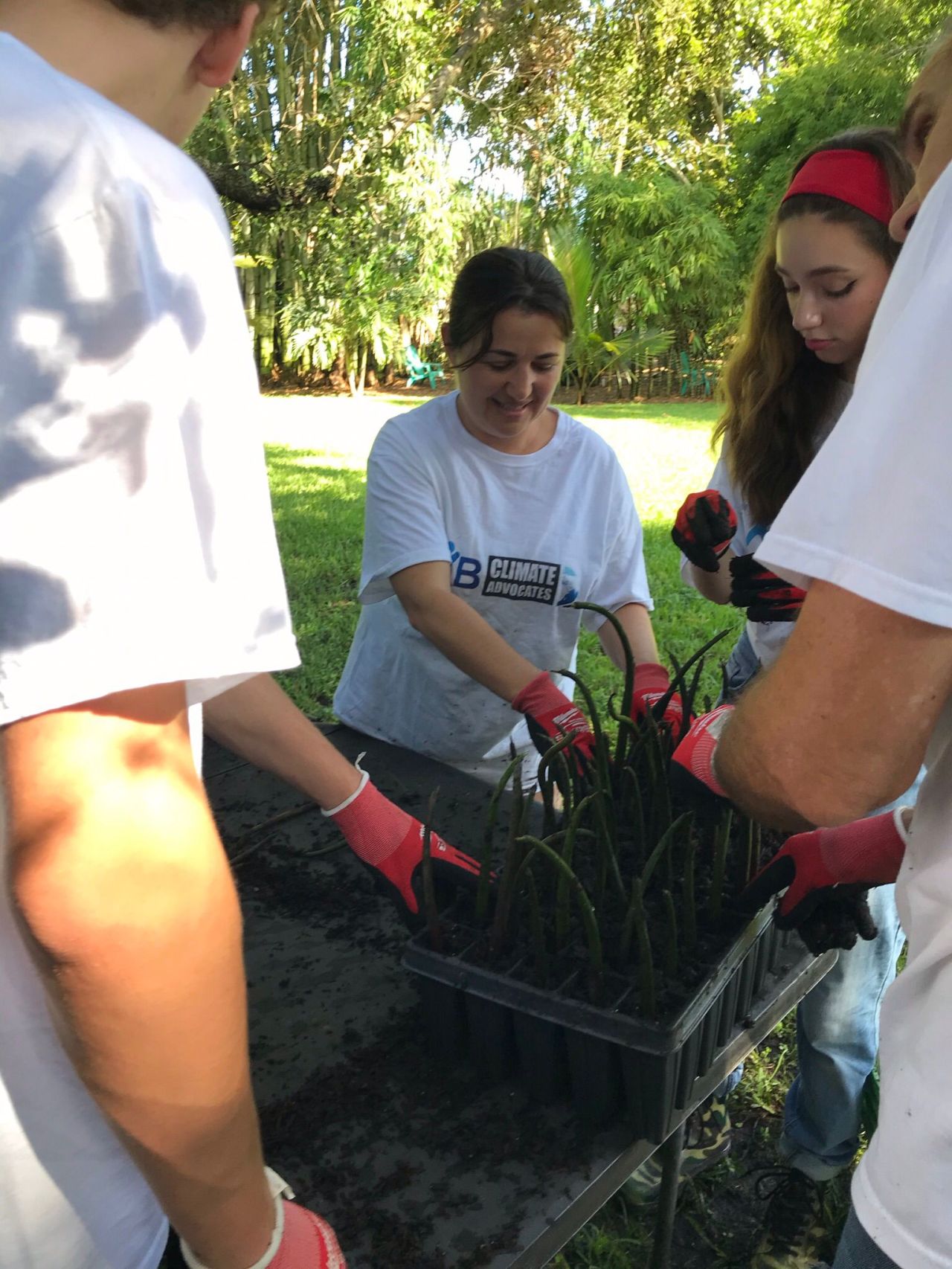
Since its launch in 2019, prior to the Covid-19 pandemic, the programme has formed a global community of young climate leaders whose actions generate a concrete and measurable impact. Through expert-led training, peer-to-peer learning and the design of projects led by participants, the Climate Advocates enhance their knowledge, develop practical leadership skills and implement concrete climate actions in their communities, ranging from local initiatives to larger projects.

+ 400K
persons affected by the programme
+ 5 000
young people trained
+ 10 000 %
between autumn 2021 and autumn 2025
+ 800
climate projects
+ 120
countries represented

Impact of our latest cohort

The spring 2026 cohort shows the concrete impact of the FXB Climate Advocates model.

94% enhanced their knowledge of climate

94% of participants reported that they have deepened their knowledge of climate issues and their solutions.
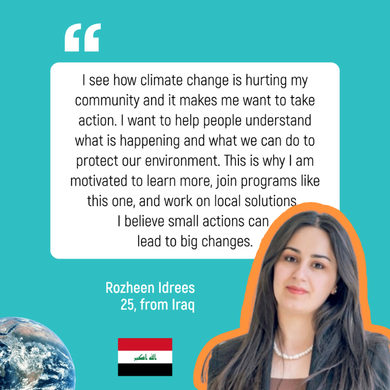
92% feel prepared to act for the climate

92% of participants felt that they were better prepared to raise awareness and promote climate action.

NB: These figures only reflect the impact of the spring 2025 cohort. They do not represent the cumulative impact of the entire FXB Climate Advocates programme.

A global network of key climate actors

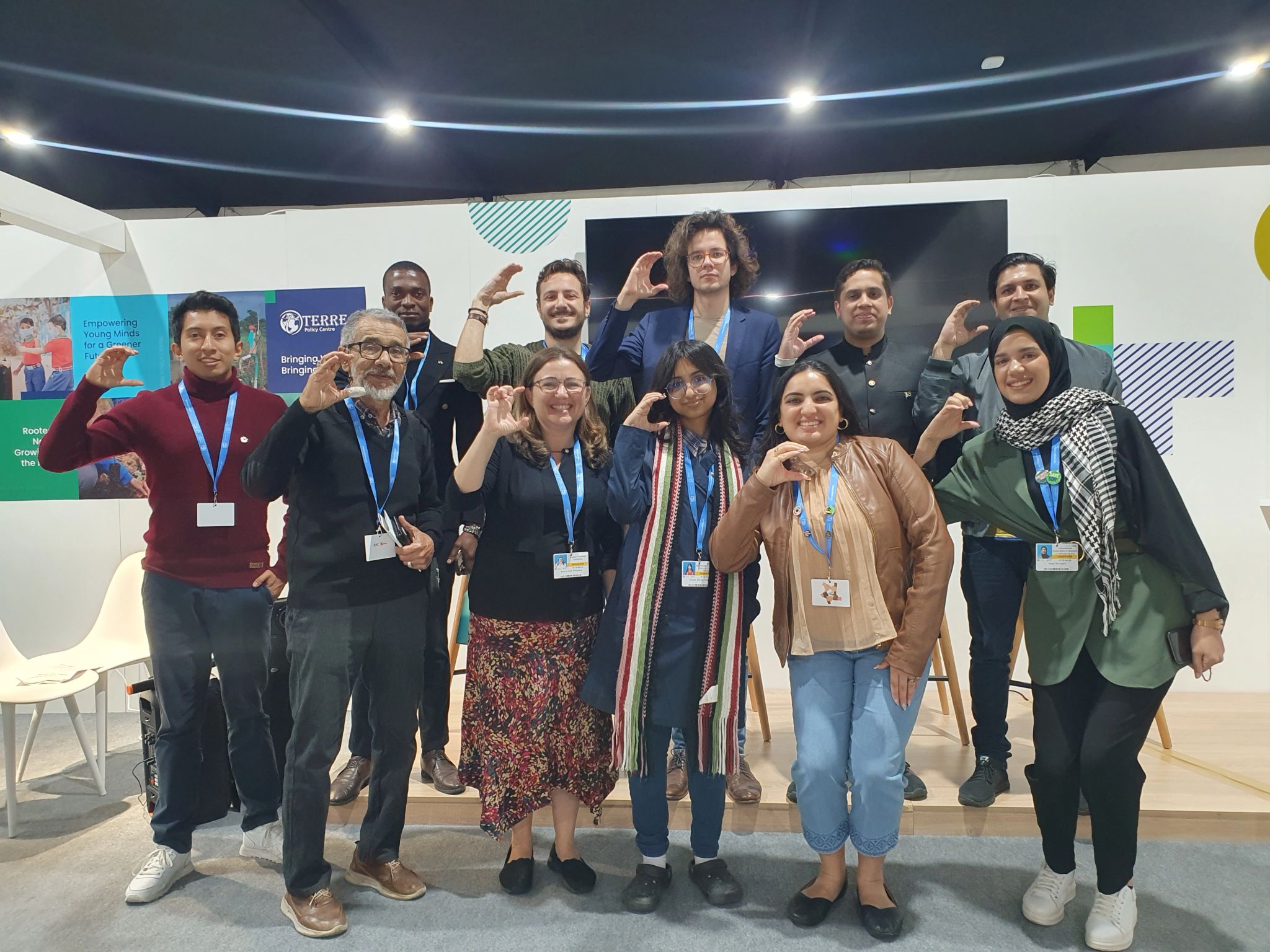
Our members represent more than 120 countries.

Climate Advocates

Afghanistan, Algeria, Angola, Antigua and Barbuda, Argentina, Armenia, Australia, Azerbaijan, Bahamas, Bangladesh, Belarus, Belgium, Benin, Bolivia, Botswana, Brazil, Bulgaria, Burkina Faso, Burundi, Cambodia, Cameroon, Canada, China, Chile, Colombia, Comoros, Congo, Côte d'Ivoire, Czech Republic, Democratic Republic of the Congo, Denmark, Djibouti, Dominica, Ecuador, Egypt, Eswatini, Ethiopia, France, Gabon, Gambia, Georgia, Germany, Ghana, Guatemala, Guinea, Guinea-Bissau, Haiti, Hong Kong, India, Indonesia, Iraq, Iran, Ireland, Israel, Italy, Jamaica, Japan, Jordan, Kazakhstan, Kenya, Kosovo, Kuwait, Lebanon, Lesotho, Liberia, Libya, Lithuania, Madagascar, Malawi, Malaysia, Mali, Mauritania, Mauritius, Mexico, Mongolia, Montenegro, Morocco, Mozambique, Myanmar, Namibia, Nepal, Niger, Nigeria, Oman, Pakistan, Palestine, Panama, Papua New Guinea, Paraguay, Netherlands, Peru, Philippines, Portugal, Qatar, Saudi Arabia, Mauritius, Mexico, Mongolia, Montenegro, Mozambique, South Africa, Spain, United Arab Emirates, United Kingdom, United States of America, Zambia, Rwanda, Sri Lanka, Sudan, Rwanda, Uganda, Rwanda, Sudan, Uganda, Togo

Discover the climate action on the ground

Our members have implemented more than 800 projects worldwide.
Visual in preparation

Sustainable food, agriculture and livelihoods

Saria Mustafa Saleh Basher

Sudan

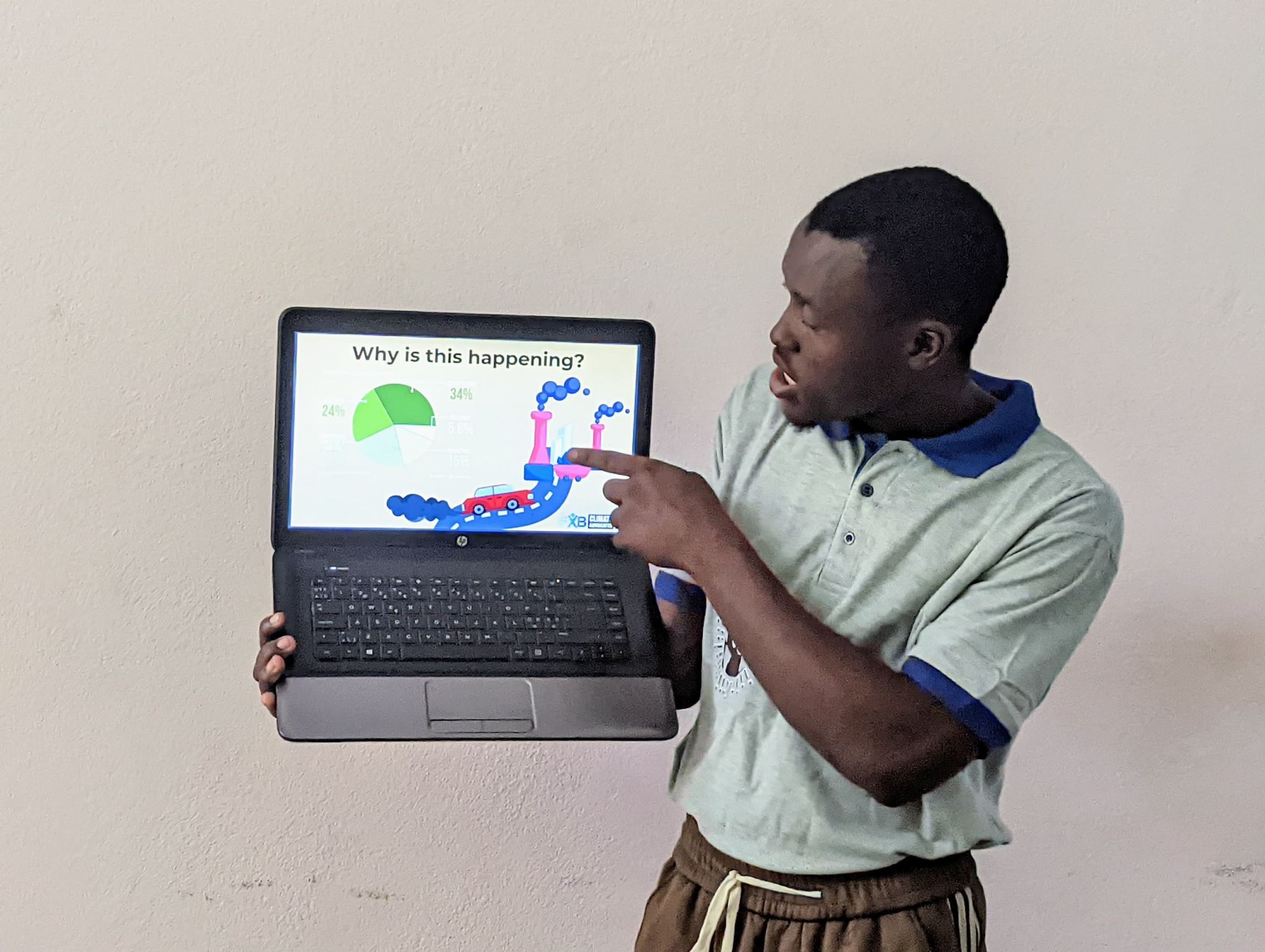
The Digital Seed

A regenerative agriculture initiative designed to strengthen food security and the resilience of rural communities in conflict-affected areas of Sudan. By combining agroforestry, composting, irrigation with renewable energy and digital monitoring, the project provides farmers with concrete tools to improve soil health, preserve natural resources and adapt to climate change. Participating farmers already use compost, reduce their dependence on chemical fertilizers and adopt more sustainable irrigation practices.

Visual in preparation

Sustainable food, agriculture and livelihoods

Gifty Pokuah

Ghana

Climate Smart Cocoa Agroforestry

The project supports small cocoa producers in adapting to rising temperatures and changing growing conditions in Ghana. The project encourages the planting of indigenous shade trees alongside cocoa growers while providing farmers with practical training in climate-smart agriculture. By restoring soil fertility, protecting biodiversity and reducing heat stress on cocoa crops, this initiative strengthens the resilience of ecosystems and livelihoods of agricultural communities over the long term.

Visual in preparation

Sustainable food, agriculture and livelihoods

Miguel Nhamuave Júnior

Mozambique

Climate-Smart Agriculture in Nhademba

The project introduces farmers to simple and affordable techniques to protect their crops and preserve water resources in the face of increasingly unpredictable weather conditions. Through practical demonstrations in corn fields, the project teaches them to build water retention barriers, infiltration trenches and erosion control structures. These solutions help to preserve soil moisture, reduce soil degradation and strengthen the capacity of rural communities to cope with drought and other climate shocks.

Visual in preparation

Sustainable food, agriculture and livelihoods

Abdiaziz Mohamed Nur

Somalia

Drought and Farmers in Jowhar District

The project works directly with small farmers facing prolonged droughts and water shortages. By documenting the challenges on the ground and sharing concrete solutions to save water and develop resilient agriculture in the face of drought, the project helps farmers better understand the effects of climate change on their livelihoods. Participants are encouraged to adopt a more responsible use of water and to implement agricultural practices that can build resilience to future droughts.

Visual in preparation

Sustainable food, agriculture and livelihoods

Zeinab Abdullahi Abdirahman

Somalia

The Climate Smart Agriculture Programme

The project gives farmers and young people the practical knowledge to make local food systems more resilient to climate change. Through community training, participants learn about water saving techniques, soil protection practices and climate-smart farming methods. The project strengthens local agricultural expertise while contributing to food security and adaptation of rural communities to drought and changing weather conditions.

Sustainable food, agriculture and livelihoods

Santiago Mendes Esteves

Portugal / Namibia

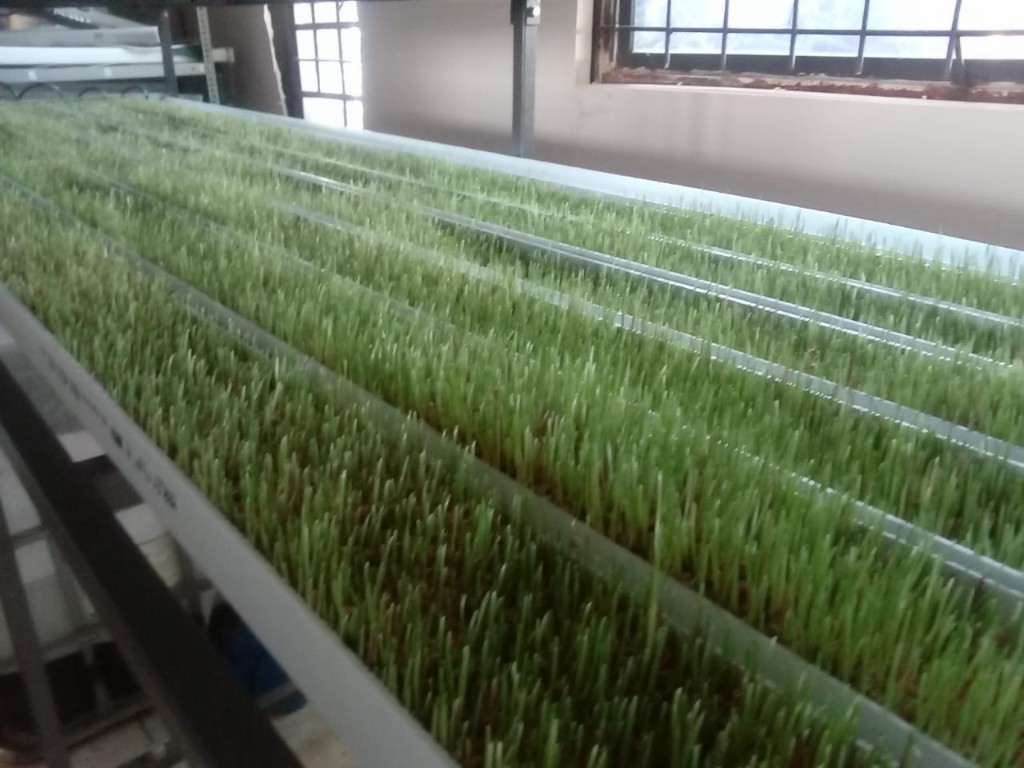
The Hydroponic Agriculture Initiative

The project is setting up a vertical hydroponic solar-powered farm in Windhoek, Namibia, to enhance food security in one of the world's most arid countries. The project combines climate-smart food production with income generation, generating jobs, supplying local communities with agricultural products and funding the VillageFXB model, which supports education, health and livelihood development programs. By combining renewable energy and hydroponic agriculture, this initiative proposes a replicable model for climate resilience and sustainable development.
Visual in preparation

Nature conservation and ecosystem restoration

Chansovichea Duch

Cambodia

Nature-Based Solutions for Coastal Resilience

The project mobilizes island communities to protect mangroves, coral reefs and coastal ecosystems on which their livelihoods depend. Through advocacy and conservation, the project shows how healthy ecosystems can reduce vulnerability to climate change while supporting fisheries and biodiversity. Participants expressed increased interest in the reforestation of coastal areas and adopted more responsible fishing practices, thus strengthening the preservation of the Cambodian coastline.

Visual in preparation

Nature conservation and ecosystem restoration

GATERA Blaise Jimmy

Rwanda

The Green Village Climate Action Project

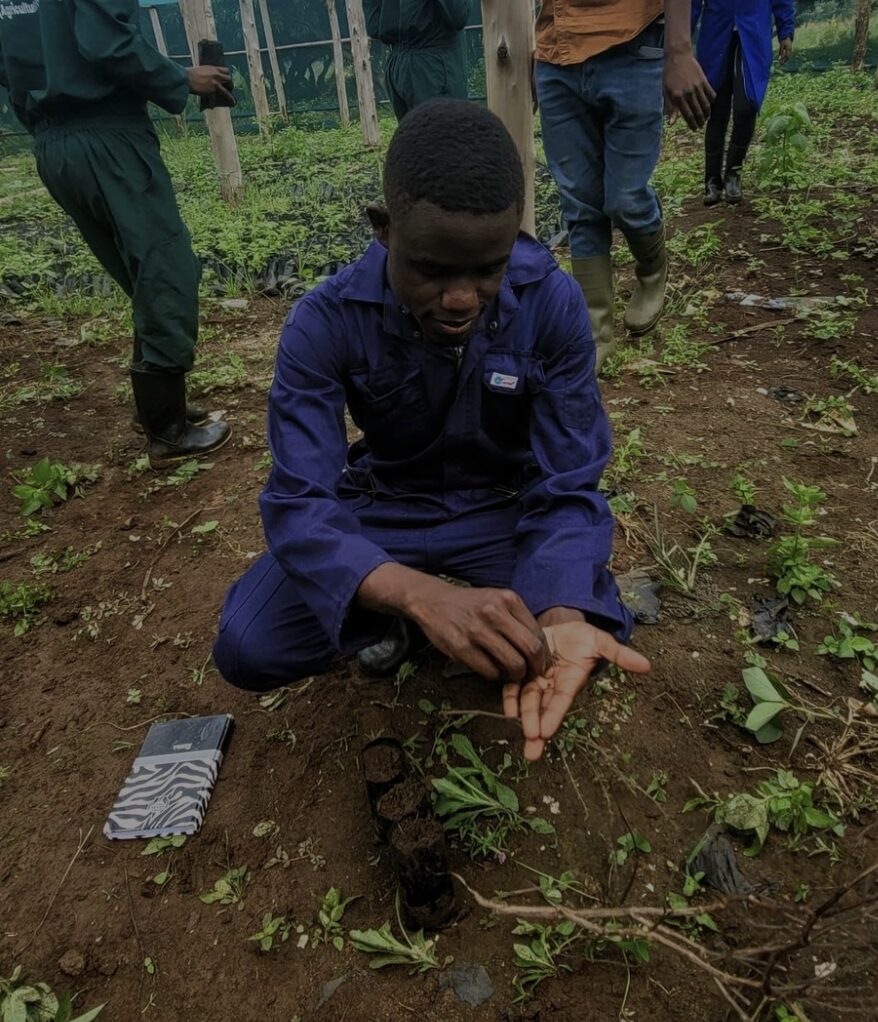
A Community initiative to restore forest cover while creating opportunities for women and young people in Rwanda. The project has established a local nursery using recycled and easily accessible materials and encourages families, schools and farmers to plant and maintain trees. Many homes have already started planting their own young shoots, contributing to the extension of green spaces while strengthening community engagement in ecosystem restoration.

Visual in preparation

Nature conservation and ecosystem restoration

Sharon Kiptoo

Kenya

The Roots of Life Campaign

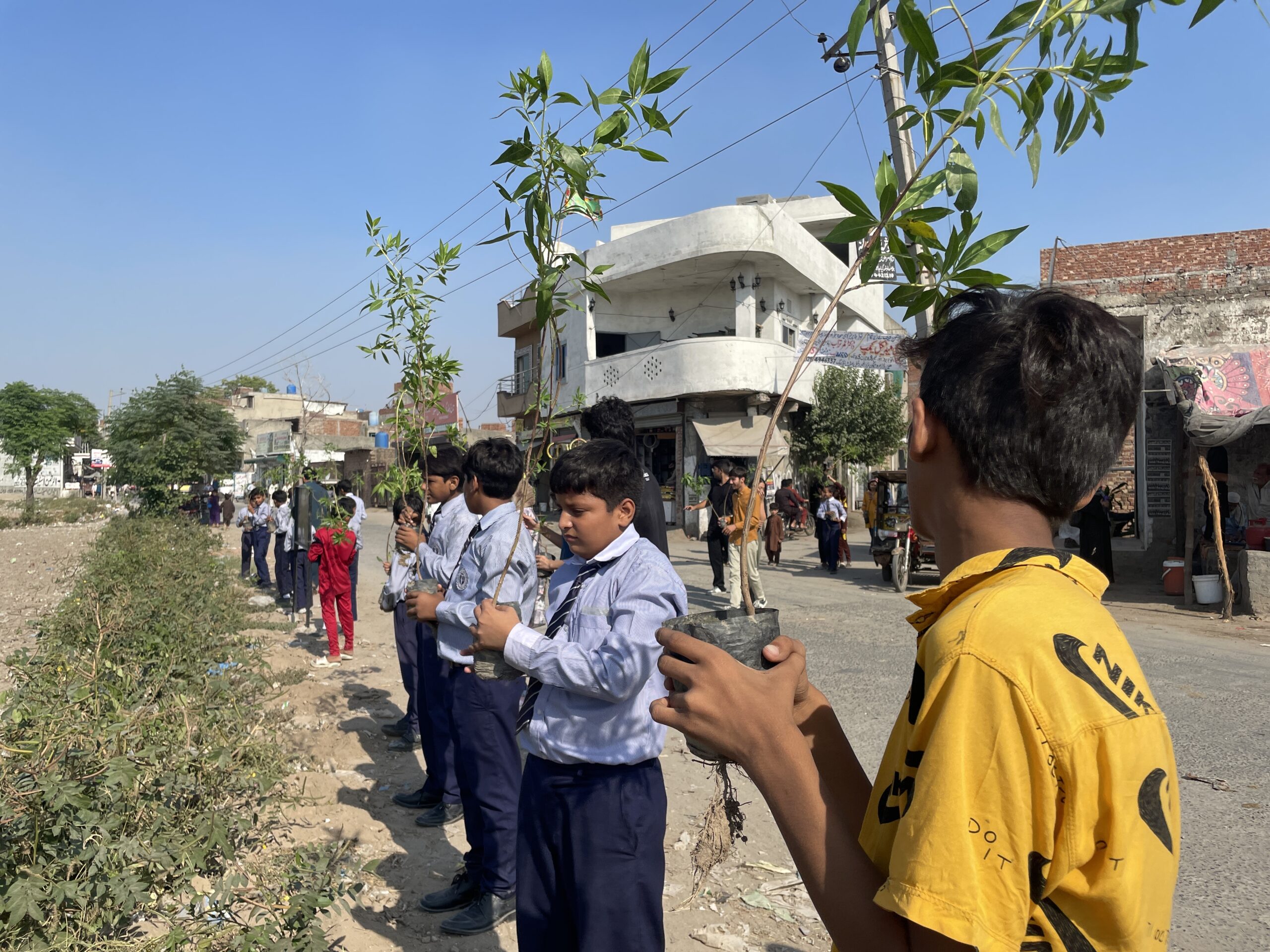
The project mobilizes communities around tree plantations, environmental clean-up and climate awareness activities to restore degraded landscapes in Kenya. Affecting between 500 and 1,000 people, this initiative links ecosystem restoration with collective responsibility and sustainable livelihoods. By encouraging people to plant and protect trees and to participate actively in conservation actions, the campaign promotes a sustainable culture of environmental protection.

Visual in preparation

Nature conservation and ecosystem restoration

Bildad Kiplimo

Kenya

Walking the Crisis

The project highlights the visible effects of climate change and environmental degradation in vulnerable communities in Kenya. By documenting landslides, soil erosion and degraded landscapes on the ground, the project links climate education to local realities. It also contributes to ecosystem restoration by distributing young plants to schools and encouraging tree planting and soil conservation.

Visual in preparation

Nature conservation and ecosystem restoration

Yasmine Mahamat TOGOI

Rwanda

Trees Planting Awareness

The project combines environmental education and planting of local tree species to combat deforestation, erosion and land degradation. Working with schools and communities, the project not only explains the importance of trees, but also teaches participants how to plant, maintain and protect them sustainably. By combining awareness and concrete restoration actions, this initiative promotes the long-term survival of planted trees and their ecological impact.

Visual in preparation

Nature conservation and ecosystem restoration

Amina Dauda Adam

Nigeria

Green Bauchi, Green Future

A conservation initiative in Bauchi State schools. It combines tree planting and climate education. FOMWAN Academy students have planted trees, learned to care for them, and discovered how reforestation can reduce temperatures, prevent soil erosion, preserve biodiversity and absorb carbon. The project encouraged both students and teachers to adopt sustainable tree protection practices and to become more involved in preserving their environment.

Visual in preparation

Clean energy and climate technologies

Samuel Awoya

Nigeria

The Solar-Powered Automated Weather Station for Climate-Resilient Agriculture

The project uses affordable technology to help Nigerian farmers make better decisions about climate change. This autonomous solar-powered system measures precipitation, soil moisture, temperature and other local parameters, providing very accurate data to guide planting, irrigation and harvesting decisions. By combining renewable energies and concrete climate data, the project makes climate-smart technologies more accessible to agricultural communities.

Visual in preparation

Clean energy and climate technologies

Kenzy Mohamed AbdelQawy

Egypt

Smart Green Roofs Blueprint

The project explores how technology and nature can be combined to make cities cooler and more resilient to climate change. The project combines drought-resistant plants, recycled materials and a connected irrigation system (IoT) in a green roof model designed to save water and reduce building temperature. This initiative proposes a concrete model of climate-smart urban infrastructure.

Visual in preparation

Clean energy and climate technologies

Otim Geofrey

Uganda

Air Quality Data for a Healthy Mbuya2

The project uses accessible technology to make air pollution often imperceptible. Using an AirBeam sensor, the project measures fine particulate concentrations (PM2.5) in the most exposed areas and then transforms these data into awareness and advocacy. By providing people with concrete information on the quality of the air they breathe, the initiative reinforces awareness and provides arguments to promote healthier neighbourhoods.

Visual in preparation

Clean energy and climate technologies

Chinmay Joshi

India

Sun Power for Suncity

The project encourages the installation of solar panels on roofs as a clean energy solution accessible to Jodhpur families. The project helps households to understand the operation of solar systems, the availability of state aid and the various possibilities of installation. By making complex technology easier to understand, the initiative has prompted many families to contact installers and consider a transition to solar energy.

Visual in preparation

Clean energy and climate technologies

Sarbinaz Ubaydullaeva

Uzbekistan

Digital Clean-Up: Reducing Our Invisible Footprint

Le projet sensibilise les jeunes à l’impact environnemental de leurs activités numériques. Le projet met en évidence le lien entre les e-mails inutiles, les fichiers stockés dans le cloud et l’énergie consommée par les centres de données. À travers des défis de nettoyage numérique, les participants sont encouragés à réduire leur empreinte numérique. En modifiant les habitudes quotidiennes, cette initiative rend plus concrète une forme souvent méconnue d’économie d’énergie.

Visual in preparation

Clean energy and climate technologies

Benish Fatima

Pakistan

Empowering Communities Through Energy Conservation

Le projet aide les étudiants et les familles à identifier des moyens simples de réduire leur consommation d’électricité sans recourir à des technologies coûteuses. Grâce à des activités pratiques, les participants découvrent les sources cachées de gaspillage énergétique, notamment l’électricité consommée par les appareils laissés branchés lorsqu’ils ne sont pas utilisés. Le projet transforme les économies d’énergie en gestes simples du quotidien, permettant de limiter le gaspillage et de réduire la demande énergétique.

Visual in preparation

Waste reduction and circular economy

Abdulrahman Abubakar Ojih

Nigeria

SafeWaste Initiative

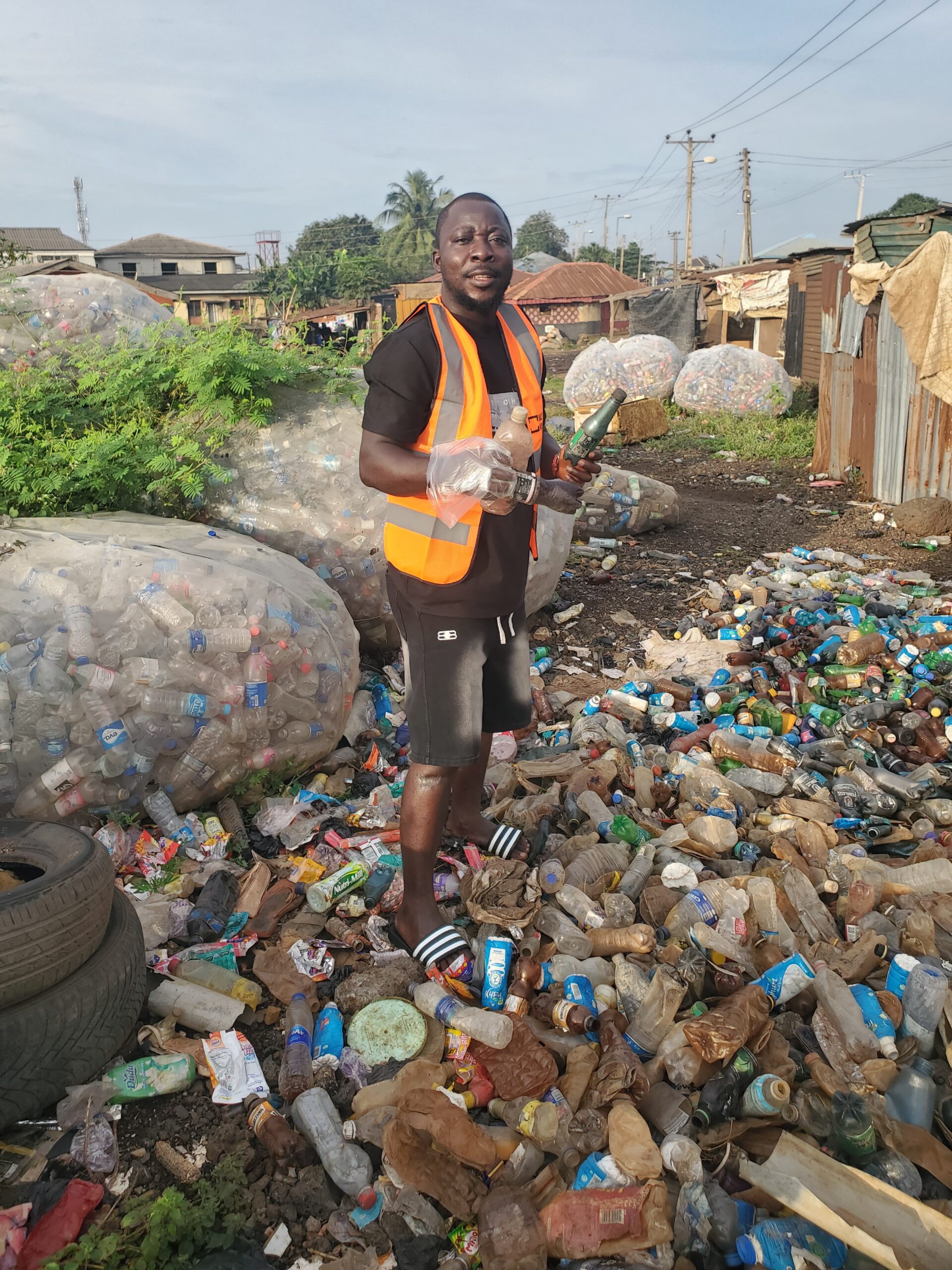
Un projet environnemental porté par des jeunes qui transforme la manière dont les communautés perçoivent les déchets, le recyclage et leur gestion responsable. Grâce à des opérations de nettoyage, des actions de sensibilisation et la promotion de l’économie circulaire, l’initiative a déjà touché plus de 5 000 personnes, notamment dans des communautés défavorisées. En combinant actions concrètes et éducation à l’environnement, SafeWaste encourage chacun à considérer les déchets comme des ressources pouvant être valorisées de manière plus durable.

Visual in preparation

Waste reduction and circular economy

Obidul Hoce Seam

Bangladesh

Reducing Single-Use Polythene for Food Parcels

Le projet lutte contre les déchets plastiques du quotidien en travaillant directement avec des étudiants et des vendeurs de nourriture. Le projet sensibilise à l’impact environnemental des emballages plastiques à usage unique tout en encourageant l’utilisation d’alternatives réutilisables. À l’issue de l’initiative, de nombreux étudiants ont commencé à apporter leurs propres contenants pour acheter leurs repas, démontrant qu’une sensibilisation ciblée peut entraîner des changements de comportement immédiats.

Visual in preparation

Waste reduction and circular economy

Shreya Mishra

India

Plastic The Poison

Le projet mobilise les étudiants afin qu’ils prennent conscience de leur responsabilité face aux déchets plastiques à usage unique qu’ils produisent. Le projet a installé des points de collecte pour le recyclage sur le campus tout en sensibilisant les étudiants au tri des déchets et à la pollution plastique. Les participants ont commencé à séparer les plastiques des autres déchets et à les déposer dans les points de collecte dédiés, transformant ainsi la sensibilisation en actions concrètes.

Visual in preparation

Waste reduction and circular economy

Sanmhidha R V

India

FloralMist

Le projet donne une seconde vie aux fleurs et aux feuilles issues des temples en transformant ces déchets organiques en encens et en produits parfumés. Le projet évite que ces déchets floraux soient jetés dans les cours d’eau tout en démontrant que des matières naturelles peuvent devenir des produits utiles et commercialisables. Cinq participants formés dans le cadre de l’initiative appliquent déjà ce modèle comme activité génératrice de revenus, associant ainsi réduction des déchets et création de moyens de subsistance durables.

Visual in preparation

Waste reduction and circular economy

Nawress Ben Eroua

Tunisie

From Waste to Green

Le projet transforme des déchets courants en ressources utiles pour améliorer l’environnement local. Le projet valorise les déchets organiques en compost tout en réutilisant des pneus usagés comme jardinières et espaces verts communautaires. En réduisant les déchets visibles et en créant de nouveaux usages à partir de matériaux abandonnés, cette initiative illustre les principes de l’économie circulaire tout en améliorant la qualité des sols et le cadre de vie.

Waste reduction and circular economy

Cesare Nguessan

Côte d’Ivoire

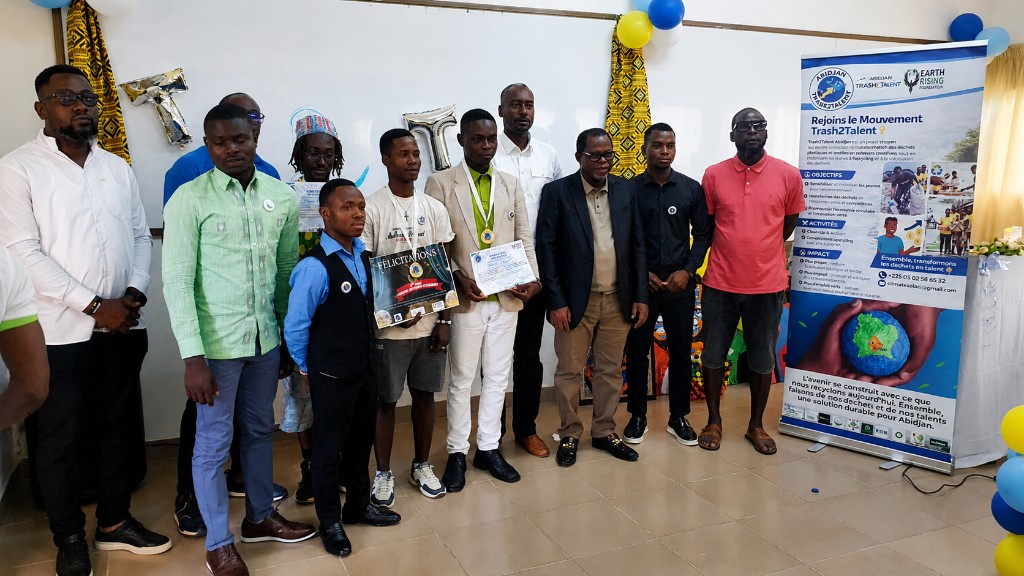
Abidjan Trash2Talent

Le projet transforme les défis liés à la gestion des déchets en opportunités socio-économiques en mobilisant les jeunes autour de l’upcycling à Abidjan. Cette initiative portée par la jeunesse promeut des solutions d’économie circulaire tout en transmettant des compétences pratiques permettant de donner une nouvelle valeur aux matériaux usagés. En associant sensibilisation environnementale, réduction des déchets et entrepreneuriat vert, le projet encourage les jeunes à devenir des acteurs de la construction d’une ville plus durable.
Visual in preparation

Climate education, advocacy and public policy

Sandeepa Lakjayani

Sri Lanka

Operation Resilience

Le projet utilise des méthodes d’apprentissage interactives et ludiques pour aider les jeunes à comprendre le changement climatique et à se préparer à ses conséquences. Touchant environ 100 élèves, le projet combine des enseignements sur les sciences du climat, la gestion des ressources naturelles et des exercices de préparation aux situations d’urgence. En développant l’esprit d’équipe, les habitudes de préservation de l’environnement et les capacités de résolution de problèmes, l’initiative donne aux jeunes les connaissances et la confiance nécessaires pour contribuer à des communautés plus résilientes.

Visual in preparation

Climate education, advocacy and public policy

Yeasin Arafat

Bangladesh

The Rohingya Climate Resilience Initiative

Le projet apporte une éducation au climat et une préparation aux catastrophes aux réfugiés rohingyas ainsi qu’aux communautés qui les accueillent. Touchant entre 500 et 1 000 personnes, le projet aide les jeunes et les familles à mieux comprendre les risques environnementaux et à adopter des pratiques plus durables. En rendant les connaissances climatiques accessibles à des populations particulièrement vulnérables, l’initiative renforce leur capacité à participer aux actions locales de résilience.

Visual in preparation

Climate education, advocacy and public policy

Nimrod Paperni

Israël

The Law, Environment & Climate Club

Le projet utilise le plaidoyer institutionnel et les politiques publiques pour transformer des idées environnementales en changements durables au sein de l’université. L’initiative promeut notamment la mise en place de protocoles de récupération des invendus alimentaires, de budgets intégrant les enjeux environnementaux et d’une gouvernance universitaire plus durable. En mobilisant étudiants et décideurs autour de propositions concrètes, le projet vise à inscrire durablement le développement durable dans le fonctionnement des établissements d’enseignement supérieur.

Visual in preparation

Climate education, advocacy and public policy

Nurana Tahirzade

Azerbaïdjan

From Awareness to Action: Youth Climate Workshop

Le projet relie les enjeux climatiques mondiaux aux politiques et aux engagements qui façonnent la réponse de l’Azerbaïdjan face au changement climatique. Les participants découvrent les sciences du climat, les Contributions déterminées au niveau national (CDN) et le rôle que les jeunes peuvent jouer dans l’atteinte des objectifs climatiques du pays. En rendant ces notions plus accessibles et en encourageant les engagements personnels, le projet fait le lien entre l’action individuelle et les transformations institutionnelles.

Visual in preparation

Climate education, advocacy and public policy

Muzhda Rahbar

Afghanistan

Climate Culture: Art for Adaptation

Le projet utilise le récit, le design et l’expression artistique pour renforcer la confiance des jeunes dans leur rôle de communicants et de porte-parole des enjeux climatiques. L’initiative a déjà rassemblé plus de 60 jeunes issus de plus de 20 pays, créant un espace où ils explorent les défis climatiques à travers l’éducation et l’art. En associant créativité et résolution collective des problèmes, le projet donne aux jeunes les moyens de communiquer sur le climat de manière accessible, engageante et orientée vers l’action.

Climate education, advocacy and public policy

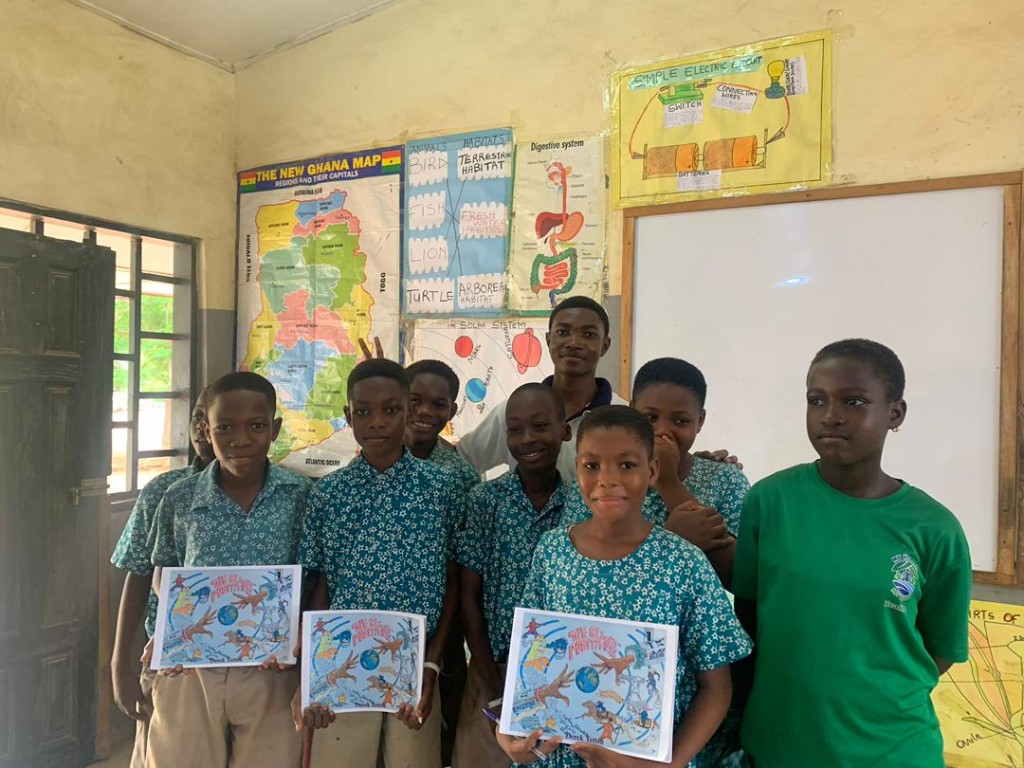
Derek Tetteh

Ghana

The Climate Positivists

Le projet transforme les connaissances scientifiques sur le climat en histoires captivantes et accessibles pour les enfants. À travers des livres, des récits et des illustrations, le projet rend les concepts climatiques plus faciles à comprendre tout en encourageant les plus jeunes à agir pour protéger l’environnement. En diffusant ces histoires dans plusieurs langues et sur les réseaux sociaux, l’initiative élargit l’accès à l’éducation au climat bien au-delà de la salle de classe et contribue à rendre ces connaissances accessibles à des communautés du monde entier.
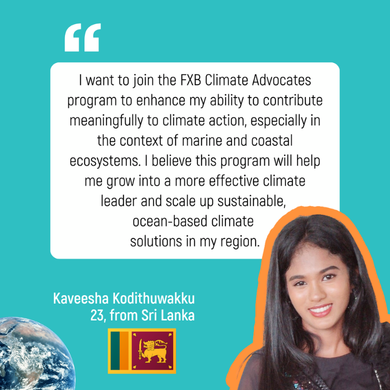
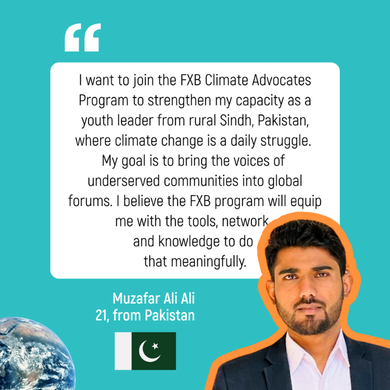
Découvrez directement le témoignage de nos défenseurs du climat

Rejoignez une communauté mondiale de jeunes leaders du climat

Candidatures pour la prochaine cohorte

Les inscriptions à la prochaine cohorte FXBCA ouvriront le prochainement.

Suivez-nous sur les réseaux sociaux pour être parmi les premiers informés de l’ouverture des candidatures et des prochaines sessions du programme.

Cohorte d’automne en cours :

Critères d’éligibilité

  • Intérêt pour le changement climatique et ses enjeux, ainsi qu’un engagement à concevoir un projet d’action climatique au sein de sa communauté.
  • Être âgé de 13 à 25 ans au moment de la candidature. Les personnes de plus de 25 ans sont également les bienvenues en tant qu’auditeurs libres du programme.
  • Être en mesure de consacrer au moins 2 heures par semaine au programme.
  • Disposer d’un ordinateur ou d’un autre appareil adapté, ainsi que d’une connexion Internet fiable.
  • Les candidatures contenant des réponses générées par une intelligence artificielle ne seront pas prises en compte. Merci de veiller à ce que toutes vos réponses soient rédigées par vous-même.

Veuillez noter que le programme FXB Climate Advocates est un programme éducatif de renforcement des capacités. Il a pour objectif de donner aux jeunes engagés pour le climat les connaissances et les compétences nécessaires pour mettre en œuvre des solutions face au changement climatique. Le programme ne prévoit pas de financement pour les initiatives climatiques des participants.

Vous souhaitez nous soutenir ?

Vous avez une question ?

Téléphone +1 347 653 8176

Email usa@fxb.org