
Our Organization
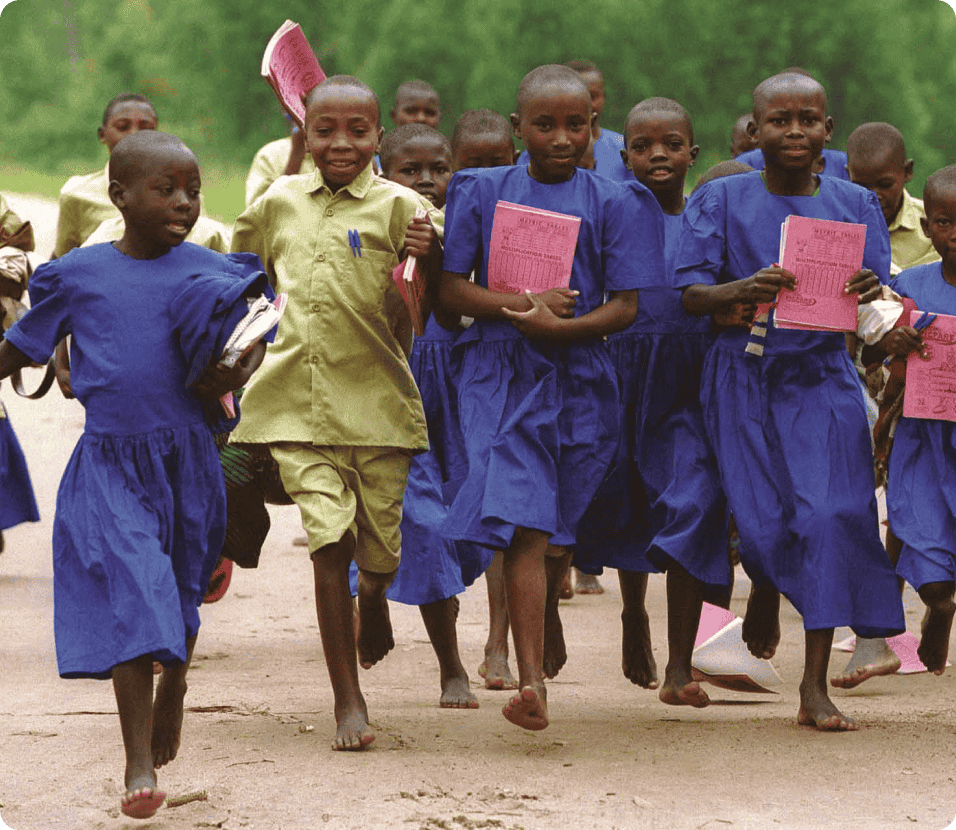
Since 1989, FXB is a non-governmental organization that promotes access for the most vulnerable — priority children — to their fundamental rights, fight against extreme poverty and work to adapt to the climate change of local populations.
Vision
Mission
Objectives
Four major objectives structure the action and the FXB programmes:
Effective rights of the child
On 20 November 1989, the United Nations General Assembly adopted the International Convention on the Rights of the Child (CIDE).
For the first time, rights had been recognized for all children throughout the world: every child had rights in matters of family, health, education, justice or social protection.
All States except the United States have ratified the Convention.
In line with the founding commitment of Albina du Boisrouvray to the protection of vulnerable children, FXB places the rights of the child at the heart of its actions, each of its programmes aimed at making them effective in their daily lives, as defined by the Convention.
Eradication of extreme poverty through access to human rights and empowerment of women
According to the World Bank's latest update in 2022, 700 million people today live on less than $2.15 a day. While poverty is often defined in absolute terms of low income, it is actually multidimensional.
For example, institutions such as the World Bank and the United Nations Development Programme (UNDP), in partnership with Oxford University, are monitoring poverty under an expanded prism, integrating several non-monetary dimensions such as access to basic rights and infrastructure.
Poor people face many complex challenges: malnutrition, disease, lack of income, lack or unsanitary housing, illiteracy, lack of safe drinking water or adverse climatic conditions.
To eradicate these multiple causes of poverty, fragmented intervention is not enough. Only a comprehensive approach can combat poverty and respond sustainably to the concrete needs of local populations.
Our success in combating extreme poverty is based precisely on a holistic and pioneering model of economic and community development based on access to fundamental rights: the VillageFXB model.
Initiated in 1991, it provides a comprehensive three-year response to the root causes of poverty by simultaneously addressing its predominant factors: access to economic empowerment, safe housing and environment, food security, education and training, prevention and health care and climate resilience.
Combating poverty also means tackling gender discrimination. Women, who are more vulnerable to poverty, must have access to the same economic and social opportunities as men. Promoting their rights and reducing gender inequality are key to achieving the Sustainable Development Goals by 2030.
Participants also have the opportunity to acquire key health and social skills, thereby promoting their overall development and ensuring the sustainability of the project's impact on their quality of life.
Access to human rights and the empowerment of women are therefore essential levers to eradicate extreme poverty. The activities undertaken within the framework of the VillageFXB also strengthen the capacity to act and develop the communities in which FXB intervenes.
Gender equality and reduction of gender-based violence
Equality between women and men is not only a fundamental human right, it is also a condition for a prosperous and sustainable world.
Promoting women's justice and economic rights and reducing gender disparities are essential to achieving the 2030 Sustainable Development Agenda and the Sustainable Development Goals.
To meet these goals, FXB has been working for 35 years to defend the rights of women and children, and to prevent all forms of violence and insecurity against them.
Because women play a key role in the development of their communities, FXB sets up specific activities to strengthen their skills, promote their access to sustainable economic opportunities and enhance their role as actors of change, including by encouraging their active participation in decision-making within their families, as well as in their communities.
It also aims to raise community awareness of domestic and sexual violence and gender equality. This awareness is essential to prevent such violence, support victims and promote egalitarian relations. It helps deconstruct gender stereotypes and create social norms that reject violence, thereby fostering safer and more inclusive environments.
Adaptation to climate change
FXB has a conviction based on many scientific evidence: climate change and poverty are inextricably linked, and poverty and climate change issues are mutually exacerbating.
Although they are the least responsible, the populations of the most vulnerable countries suffer from the consequences of climate change.
In fragile countries, everyone can turn into poverty when a flood destroys a microenterprise or if drought decimates crops or herds. Climate shocks can reverse decades of work and savings and generate irreversible human and material losses.
In order to overcome poverty, climate change and its impact on the poor must be taken into account in development policies.
In light of the disproportionate impacts of climate change on poor countries, FXB is working to promote Sustainable Development Goal 13: Take urgent action to combat climate change and its effects.
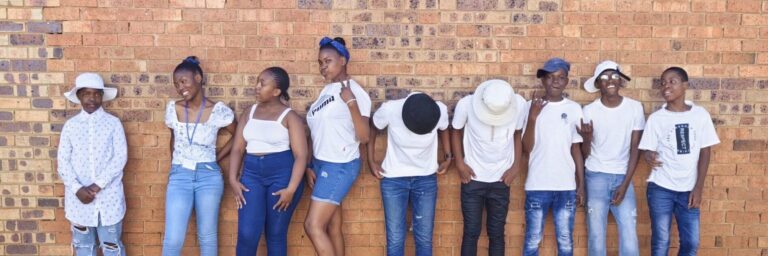
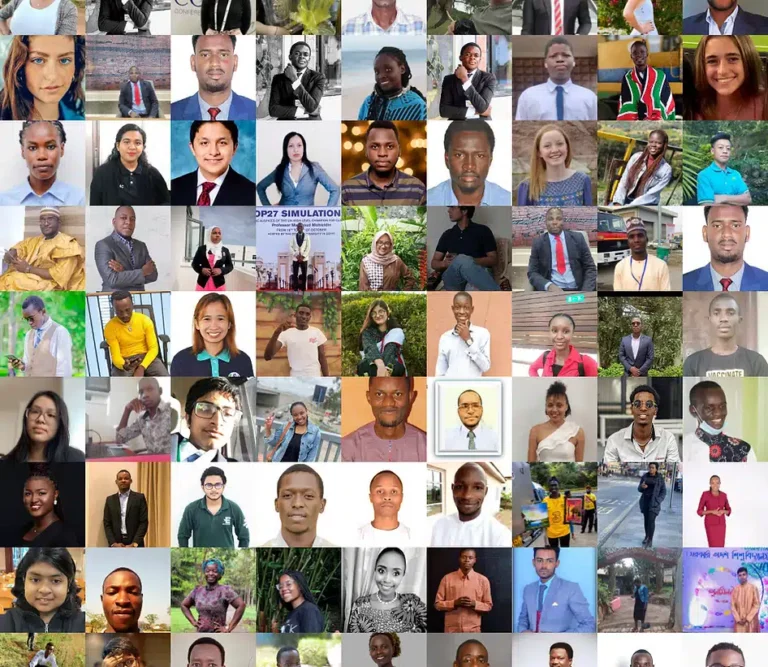
At the same time, FXB Global runs an education and advocacy programme, FXB Climate Advocates, which aims to give young people (13-25 years) from around the world the tools to implement climate solutions in their communities and at the global level.
FXB's action focuses on climate resilience and adaptation measures for local communities, including:
- Empowerment of women and girls: strengthening leadership and access to sustainable economic opportunities.
- Financial inclusion: Building community resilience through the use of Save and Credit Village Associations including a micro-insurance system to deal with climate hazards.
- Sustainable agriculture: promotion of ecological and resilient agricultural practices.
- Diversification of livelihoods: diversification of agricultural activities to better anticipate the effects of extreme weather conditions.
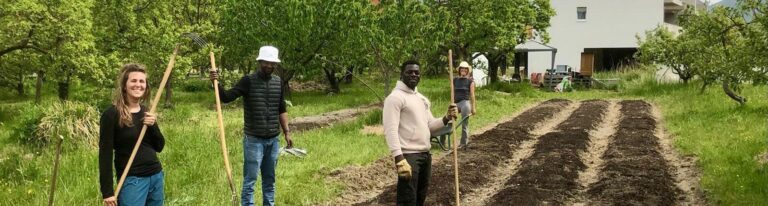
- Gardens : promotion of the cultivation of gardens or fields for self-feeding.
- Climate education: awareness of sustainable consumption patterns, water saving, recycling, the use of solar lamps and disaster risk reduction.
- Healthy Environment: improving water and sanitation infrastructure and promoting solutions such as improved stoves to reduce air pollution and deforestation.
Discover all our programs
Who are we?
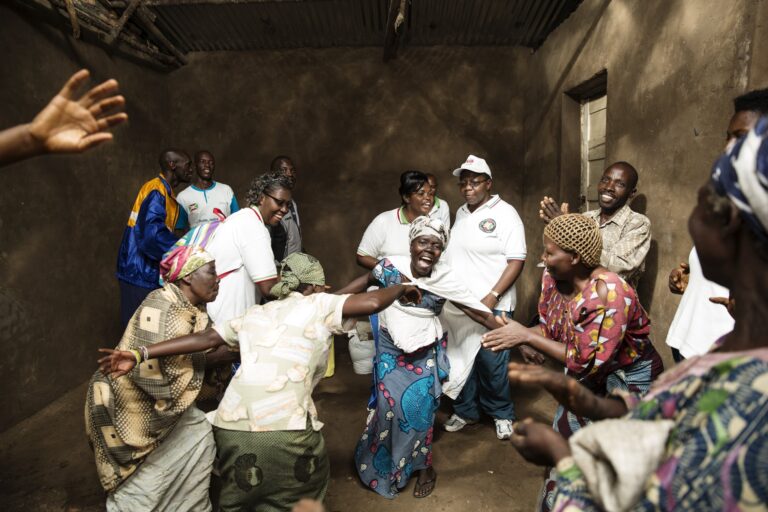
Our organization currently operates in 11 countries with a team of more than 400 local professionals working hand in hand with the local communities we support.